FAQ
Any questions?
The team at ITS Autos have put together their years of engineering knowledge to answer some of your Frequently Asked Questions.
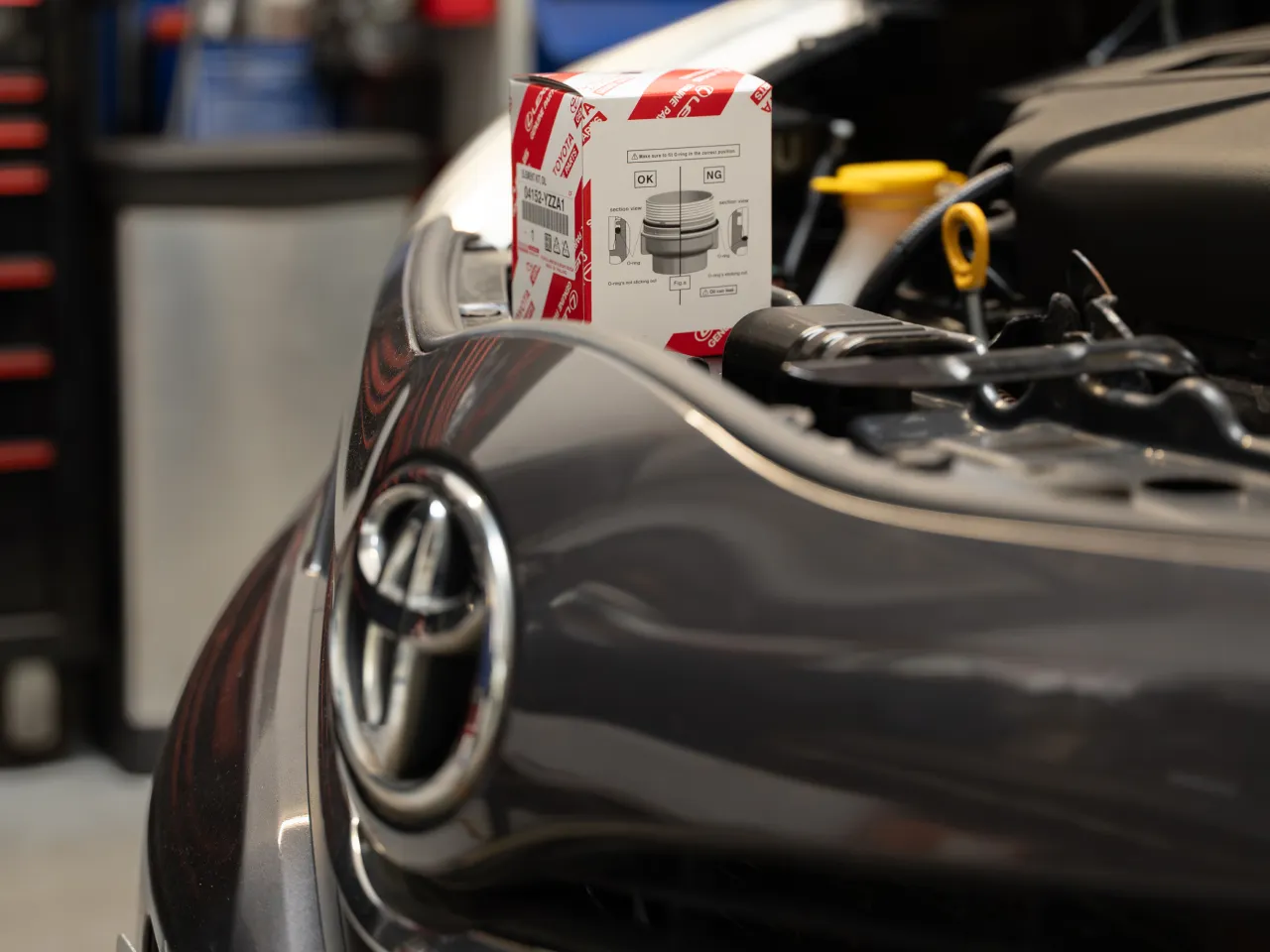
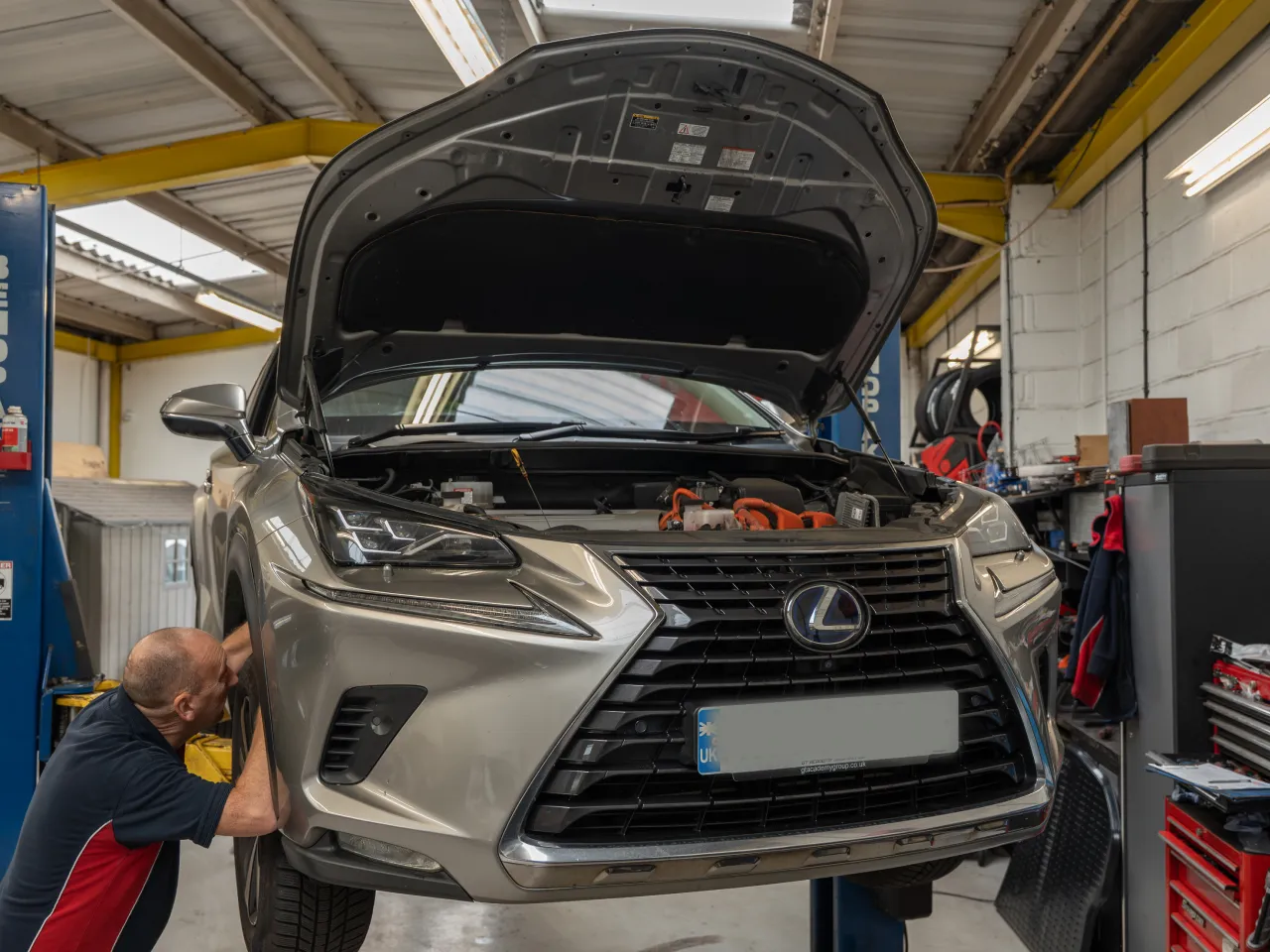
ITS autos uses genuine Toyota and Lexus parts. We use high quality oils grade specific to your vehicle. We are a VAT registered company. This combination allows us to provide our services to our customer’s vehicles while not affecting the vehicles warranty as per block exemption regulation 2003. This regulation states that a VAT registered auto repairer that uses genuine parts and specified grade oils has the right to conduct business without affecting the manufacturer’s warranty on the vehicle in question.
Interior
- Note Current MPG
- Inspect All Pedals Condition, Security, Pedal Components, Rubbers,
- Springs, Pedal Heights
- Check Brake Pedal Servo Operation
- Check Brake Nosie / Feel of Brakes
- Check Clutch for Operation Adjustment or Slipping
- Inspect Condition and Security of Interior Mirror and Sun Visors
- Check Horn Function and Laudness
- Check Interior Lights
- Check Interior Switches for Security and Operation, Hazzard, Lights, Wipers
- Inspect Parking Brake Lever Security and Travel
- Inspect Seat Belt Condition, Buckles, Seat Belt Warning System
- Check Steering Wheel Security and Free Play
- Check Warning Lights for Presence at Ignition and Warning light Fault Indication
- Check Washers for Operation, Direction, Power, Leaks
- Check Wipers Clear Screen, Security and Condition
- Check Floor mats for security / Eyelet Condition
- Inspect Cabin Air Filter
- Check Cabin Heating System and Settings
- Check Funtionality of AC / Climate System
- Inspect Seats for Security and Condition of the Seat Adjustments
- Check Presence of Jack and Wheel Brace
- Inspect Condition of Spare Tyre / Space Saver / Puncture Inflation Kit
Exterior
- Check Exterior Lights
- Check Security of Door Mirrors
- Check Security and Condition of Front and Rear Number Plates
- Check Security and Condition of Reflectors
- Check Alarm Operation
- Check Fuel Cap Locking, Seal and Operation of Fuel Flap
- Inspect Windscreen, Glass and Light Lenses for Condition and Security
- Inspect & Report on Condition of Body Work, Dents, Scratches, Chips, Rust, Corrosion, Other
- Check Vehicle Locking Security and Door Handle Operation
- Check Function of Key Fob and Keyless Entry
- Check Gas Struts for Tailgate
- Check Headlamp Aim
- Inspect Tow Bar and Tow Bar Electrics
Under Bonnet
- Check Condition of Bonnet Latch and Secondary Security Latching System
- Adjust Bonnet Stops to Allow Bonnet to Open
- Inspect Bonnet Stay / Gas Struts
- Check Auxiliary Battery and Report on Health Check
- Inspect Auxiliary Battery for Leaks, Security and Terminals
- Inspect Rubber Drive Belts and Tensioners for Deterioration
- Inspect Radiator and Condenser for Leaks and Condition
- Inspect Air Filter
- Clean Airflow Meter (EuroIV 1KD and 2KD Engines)
- Inspect Spark Plugs Platinum and Iridium
- Check All Fluids for Leaks and Correct Levels
- Check Engine Coolant / Antifreeze Strength
- Check Hybrid Inverter Coolant
- Inspect Water Pump for Leaks and Abnormal Noises
- Check Engine Oil Level (note if below minimum for consumption monitoring)
- Inspect Air Induction Pipes for Condition and Security
- Inspect Condition of PCV and Crankcase Ventilation Hoses and Pipes
- Inspect Vacume Pump and Hoses Replacement due (10 Years or 120K)
- Check EGR System and Inspect Hoses
- Carry Out Diesel Smoke Test
- Check for Abnormal Engine Noise
- Check Auxilary Driven Components for Abnormal Noises
Transmission
- Check and Adjust Gear Cables ( MT Adjust EC6X, EB6X, EA6X )
- Check Clutch Fluid
- Inspect Manual Transmission Oil (40K or 4 Years)
- Check AT / CVT Oil Level every (40K or 4 Years)
- GT86 Check Oil Level Every (20K) / Replace AT Transmission Oil (5 Years or 60K)
- Inspect Transfer Box Oil (4 Years or 40K)
- Inspect Front Diff Oil (2 Years 20K)
- Inspect Rear Diff Oil (2 Years 20K)
- Inspect Front Diff Oil RAV4 Hybrid AWD (40K)
- Inspect Rear Diff Oil RAV4 Hybrid AWD (30K)
- Inspect GT86 Rear Diff Oil (3 Years 30K)
- Inspect Prop Shaft Joints for Play
- Tighten Prop Shaft Bolts Hilux and Land Cruiser 4WD
- Inspect / Tighten Drive Shaft Nuts, and (Bolts RAV4)
Steering/Suspension
- Inspect Steering Rack Security
- Inspect Steering Joints for Free Play
- Inspect Steering Column for Operation, Noise and Free Play
- Inspect Steering Shafts for Noise, Free Play and Condition of U/J
- Inspect Steering Rack Gaitor Condition and Security
- Inspect Steering Arm Bushes and Bolts
- Inspect for Steering Fluid Leaks
- Inspect Drive Shaft Gaitors
- Inspect Front Suspension Bushes and Ball Joints and Dust Covers
- Inspect Front Suspension for Security and Leakage
- Inspect Rear Suspension Bushes and Ball Joints and Dust Covers
- Inspect Rear Suspension for Security and Leakage
- Inspect Tyres Condition, Punctures and Tread
- Check and Adjust Tyre Pressures
- Check Tyre Valves
- Check Wheel Bearings
- Inspect wheels / Alloys / Steel
- Check Condition and Presence of Wheel Trims and Centre Caps
- Torque Tighten Wheel Nuts and Bolts
Under Vehicle
- Inspect Brake Pads and Discs Condition and Wear (Measurements)
- Inspect Brake Shoes and Linings and Parking Brake Shoes
- Inspect Brake Fluid Condition (Hydroscopic Fluid)
- Inspect Brake Lining and Drums
- Inspect Brake Pipes and Joints
- Inspect Parking Brake Cables and Calliper Levers
- Check Fuel Lines Condition and Leakage
- Inspect Charcoal Canister 2 Years 30K (Aygo 60K)
- Inspect Exhaust Catalyst and DPF
- Inspect Exhaust System Condition, Security and Leakage
- Check Exhaust and Catalys / DPF Heat Shields for Security and Condition
- Check Engine Mounts for Security, Leakage and Condition
- Check Condition of the Nuts and Bolts of the Chassis and Body
- Check Brake Booster Vacume Pump for Replacement 10 Years or 120K
After Service
- Road Test and Further Report
- Road Test for Wheel Balance, Steering Pull, General Performance and Power, Abnormal Noises
- Re-check All Levels
- Re-check for Fluid Leaks- Underside and Engine Bay
You can visit the government based website: MOTtesting.org.uk for all DVSA regulations and information regarding the MOT test and its procedures.
There is plenty of information to help you to prepare for an MOT and to understand What, Why, Where and When.
DVSA MOT check sheet – take a look at the areas of your vehicle that get inspected on an MOT test, these checks are set by the governing body of vehicle safety DVSA.
You can download the checklist here
You do not have to get your vehicle repaired at the MOT test station that it was tested at.
We recommend that you look at and discuss with your MOT station any outcomes you have from your MOT test before making any decisions.
We are all very experienced MOT testers and highly qualified technicians at ITS autos. Our experience is backed up by a catalogue of recognised qualifications backed by the government and governing bodies for the standards of road safety.
We use ATL test lanes to ensure your vehicles MOT test can be completed in a timely manor.
Engine oil choice is Key To Good Maintenance!
ITS autos only use high quality engine oils we use the vehicles specified grade and viscosity to maintain your engine. Please inquire for more information about your vehicles correct engine grade and quality.
Quality Grade Oils Provide:
Protection – The oil lubricates the engines moving parts to reduce friction and wear, properties in the oil extract heat caused by friction of moving parts helping to maintain your engines optimum operating temperature and efficiency
Efficiency & Performance – The correct grade of oil will maintain the highest engine compression with minimum resistance allowing for maximum performance with an efficient engine that leaves you more miles in the tank.
Reliability – Quality engine oils have a low ash content that reduces carbon build up within the engine and engine components, quality oils also contain corrosion neutralising properties that also help in reducing wear and complications.
Cheap or incorrect engine oil quality grades can cause:
- Premature engine wear
- Premature engine component wear
- High levels of carbon build up
- High engine oil consumption
- Low engine efficiency and performance
- Poor starting
Quality Oils are graded by Society of Automotive Engineers (SAE)
Toyota and Lexus vehicles can use the following API grade oils.
SL Energy-Conserving
SM Energy-Conserving
SN Resource-Conserving
The ILSAC
(International Lubricant Standardization and Approval Committee) Certification Mark is added to quality oil containers to help you select the oil you should use.
Toyota and Lexus passenger vehicles all use either SAE 0W-20 (SL or SM) or SAE 5W-30. These oils are used to allow for the best fuel economy and ensure good starting in cold conditions.
The oil grading can be translated in two sections. The first section is 0W or 5W this relates to the oils viscosity rating, the lower value of the first digit before the W relates to a thinner oil allowing easier starting of the engine in cold conditions.
The Second section of the oil grading is either 20 or 30, this relates to the oils viscosity at running temperature. A higher value would be used for an engine operating at higher speeds or loads or a hotter running diesel fuelled engine.
Engine oil choice is Key To Good Maintenance!
ITS autos only use high quality engine oils we use the vehicles specified grade and viscosity to maintain your engine. Please inquire for more information about your vehicles correct engine grade and quality.
Quality Grade Oils Provide:
Protection – The oil lubricates the engines moving parts to reduce friction and wear, properties in the oil extract heat caused by friction of moving parts helping to maintain your engines optimum operating temperature and efficiency
Efficiency & Performance – The correct grade of oil will maintain the highest engine compression with minimum resistance allowing for maximum performance with an efficient engine that leaves you more miles in the tank.
Reliability – Quality engine oils have a low ash content that reduces carbon build up within the engine and engine components, quality oils also contain corrosion neutralising properties that also help in reducing wear and complications.
Cheap or incorrect engine oil quality grades can cause:
- Premature engine wear
- Premature engine component wear
- High levels of carbon build up
- High engine oil consumption
- Low engine efficiency and performance
- Poor starting
Quality Oils are graded by Society of Automotive Engineers (SAE)
Toyota and Lexus vehicles can use the following API grade oils.
SL Energy-Conserving
SM Energy-Conserving
SN Resource-Conserving
The ILSAC
(International Lubricant Standardization and Approval Committee) Certification Mark is added to quality oil containers to help you select the oil you should use.
Toyota and Lexus passenger vehicles all use either SAE 0W-20 (SL or SM) or SAE 5W-30. These oils are used to allow for the best fuel economy and ensure good starting in cold conditions.
The oil grading can be translated in two sections. The first section is 0W or 5W this relates to the oils viscosity rating, the lower value of the first digit before the W relates to a thinner oil allowing easier starting of the engine in cold conditions.
The Second section of the oil grading is either 20 or 30, this relates to the oils viscosity at running temperature. A higher value would be used for an engine operating at higher speeds or loads or a hotter running diesel fuelled engine.
The ECU or Engine Control Unit could be described as the vehicles ‘brain’ it contains a processor and software ‘map’ that takes information from the vehicles sensors and passes its decision to command actuators to control the engine as per the requests and demands of the driver.
There are a lot of cheap and nasty tuning options available on the internet from cheap downloads to power increase modules that you can plug into your OBD with over quoted gains in performance. The old saying "you get what you pay for" is the key here!
Plug in modifications often just trick your vehicle into thinking it is running cold to fire in extra fuel or bump up the fuel pressure signal. This is not an economical way of increasing performance as all the other parameters are not tuned. With a full custom remap a large quantity of parameters are adjusted and tuned together to alter hundreds of signals and data files from the ECU to the engines actuators and sensors.
Default software has to take into account the operating conditions for the region of the vehicle, including varying climates, temperatures and altitudes, emission laws as well as various quality of fuel standards.
If you are buying a vehicle with remapped software or are selling a remapped vehicle and want it set back to original factory standard then we can provide this service for you. Software or Hardware modifications to any vehicle usually add value as well as performance.
We advise that as insurance often states you must notify of any modifications then you should notify them that you have had your vehicles engine software modified. Most insurance companies will not raise their premium especially if it is a re-map for economy.
Remapping vehicle software is not something that can often be detected by main dealer diagnostic capabilities. The upgrades we provide will not cause any failure to your vehicles components, as we do not over tune. If a main dealer overwrites you’re map and sets it back to original standard due to any warranty work or a warranty recall then we will happily re-install your remapped software for free for as long as you are the owner of the vehicle.
We adjust various parameters within the map such as fuel pressure, boost pressure (turbocharged engines) ignition advance and throttle pedal control, amongst others to release the true performance from the engine.
Featured Services
We combine dealership-level expertise with a friendly, local approach
ITS Autos fixed-price service & repairs can save up to 50% in comparison to main dealers. Servicing your vehicle with an independent does not affect your 3 years manufacturers warranty.